🇺🇸 EB-5 U.S. Permanent Residency & Citizenship Eligible Business
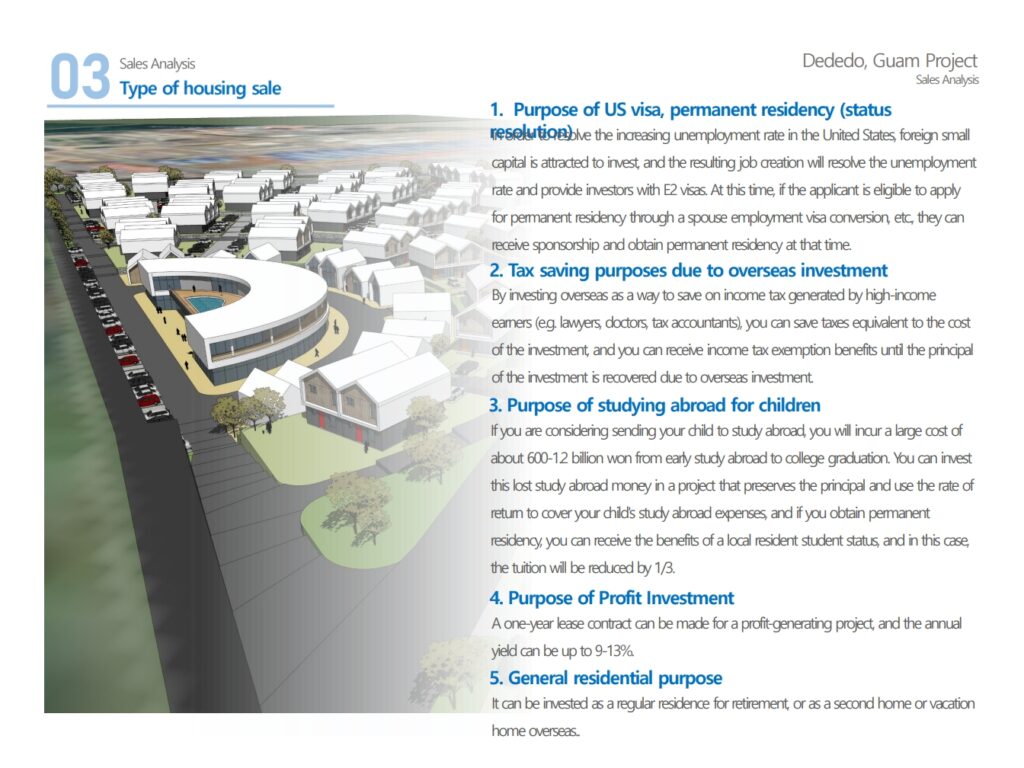
📌 Requirements for Housing/Factory Projects in Guam Under the EB-5 Program
1. Investment Capital Requirement
Minimum Investment:
$1,050,000 in general areas
$800,000 in TEA (Targeted Employment Area – high unemployment or rural areas)
2. Job Creation Requirement
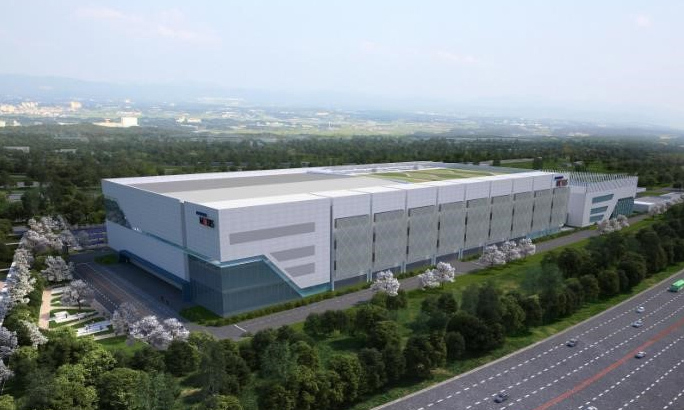
🏭 Factory Projects (Manufacturing, Food Processing, Packaging)
Projects of this type are highly likely to qualify for EB-5, due to the following factors:
| Criteria | Description |
|---|
| ✅ Business Scale | Substantial factory with production lines (automation permitted) |
| ✅ Employment | High potential to hire 10+ direct employees (management, production, warehouse, logistics) |
| ✅ Type of Business | If the product is eligible for U.S. distribution, employment & viability are easier to prove |
| ✅ Business Plan Required | Must include market analysis, cash flow, HR plan, etc. |
⚓ 1. Guam’s Container Commercial Port
📌 General Info
Official Name: Jose D. Leon Guerrero Commercial Port (commonly known as Port of Guam)
Owner/Operator: Port Authority of Guam
Location: Apra Harbor, Cabras Island, Piti
Function: Handles ~90% of all goods imported into Guam; central commercial and transshipment hub for the region
📦 2. Container Volume & Capacity
A. Actual Throughput per Year
2020: ~85,143 TEU
2021: ~87,000 TEU
B. Terminal Capacity
C. Equipment Upgrades
📊 3. Summary Table
| Item | Details |
|---|
| Port Name | Jose D. Leon Guerrero Commercial Port |
| Annual Throughput | ~85,000 – 87,000 TEU |
| Max Capacity | 126,000 – 293,000 TEU (depending on stacking & equipment) |
| Terminal Yard Size | ~26.5 acres |
| Handling Equipment | 3 gantry cranes (including STS), RMG, mobile cranes, etc. |
| Cargo Type | Primarily containers; also handles breakbulk, RoRo, and military cargo |
✅ Conclusion
The Port of Guam is a critical commercial and transshipment hub for Guam and nearby Pacific islands.
It currently processes about 85,000 TEUs annually, and with proper equipment and operational environment,
can be expanded to handle approximately 130,000 TEUs.
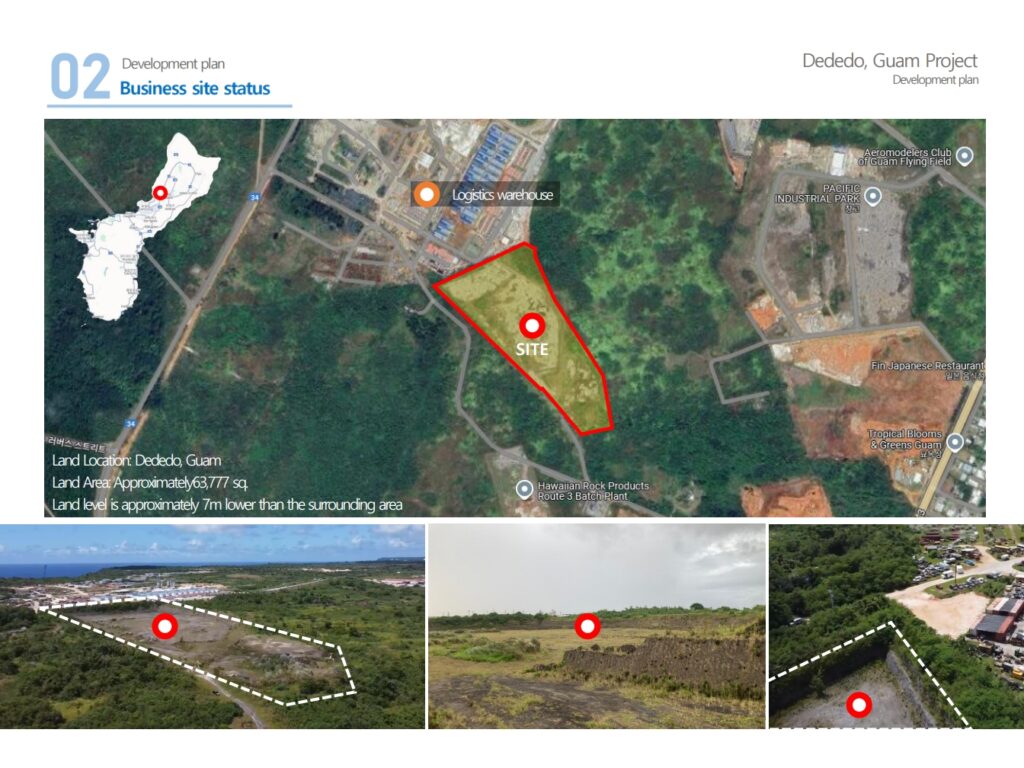
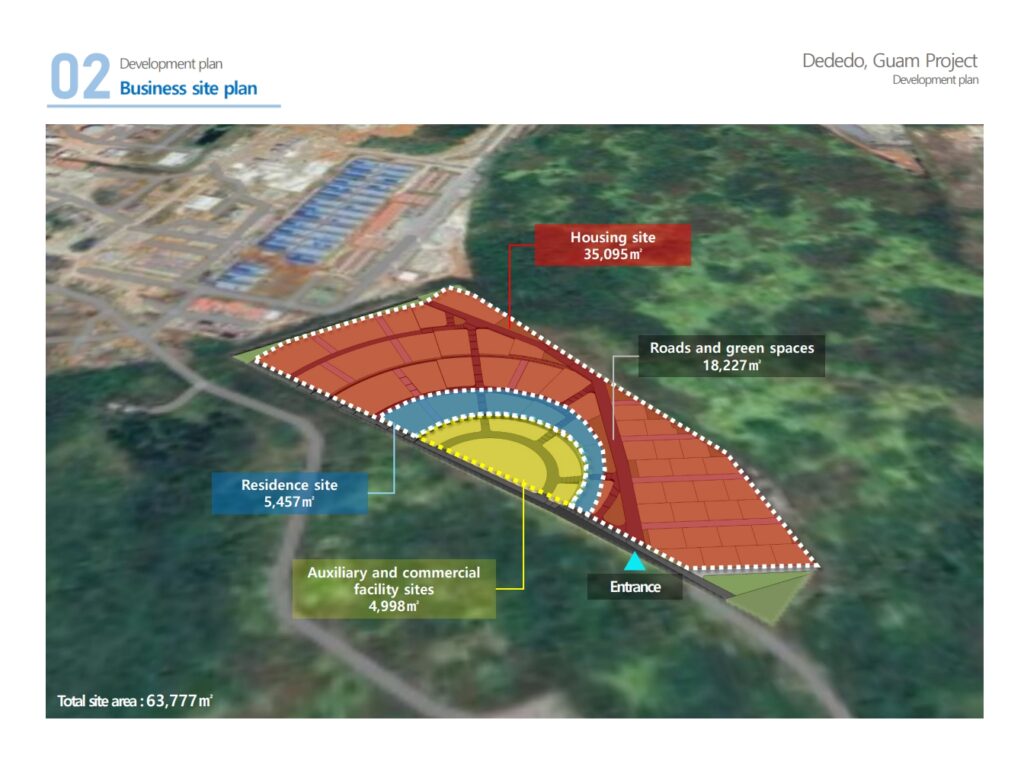
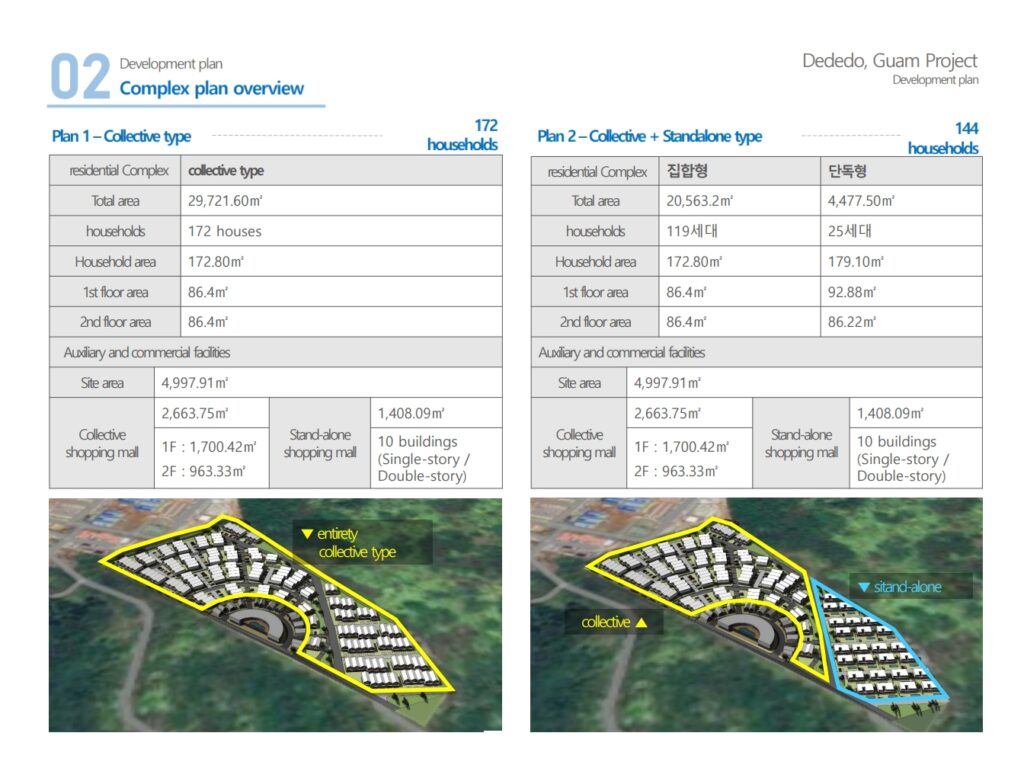
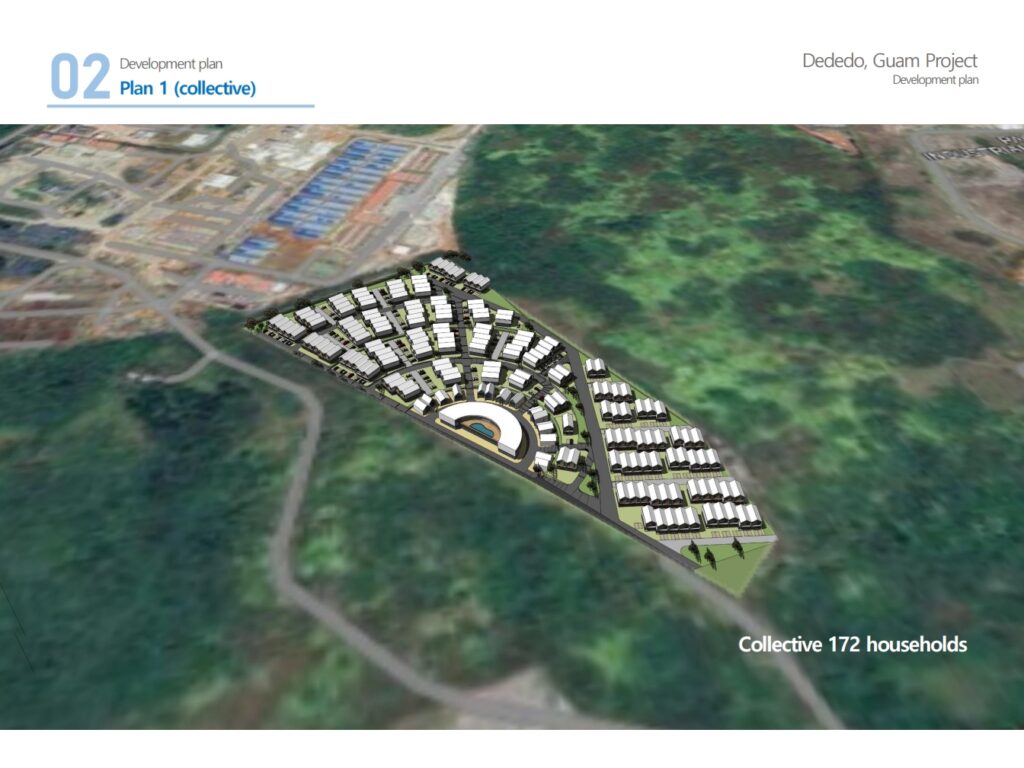
Land purchase cost: US$6,500,000